At first glance, history and fantasy might seem like strange bedfellows in the world of video games. One is all about dusty tomes, authentic recreations, and the weight of what actually was. The other? Well, that's where dragons soar, magic crackles in the air, and the impossible is just another Tuesday. But here's the thing—some of the most captivating, 'I-can't-put-this-controller-down' gaming experiences of 2026 are born precisely from this unlikely marriage. These worlds don't just ask you to visit; they pull you in with the gritty texture of a bygone era and then whisper promises of ancient, forgotten magic just beyond the next hill. It's a blend that's been simmering for years, and the current gaming landscape is absolutely feasting on the results.
These open-world masterpieces prove that grounding a story in a recognizable past—or at least its aesthetic—makes the fantastical leap all the more thrilling. Let's saddle up and ride through some of the titles that are still setting the standard for this magical mix.
Final Fantasy XII: The Zodiac Age
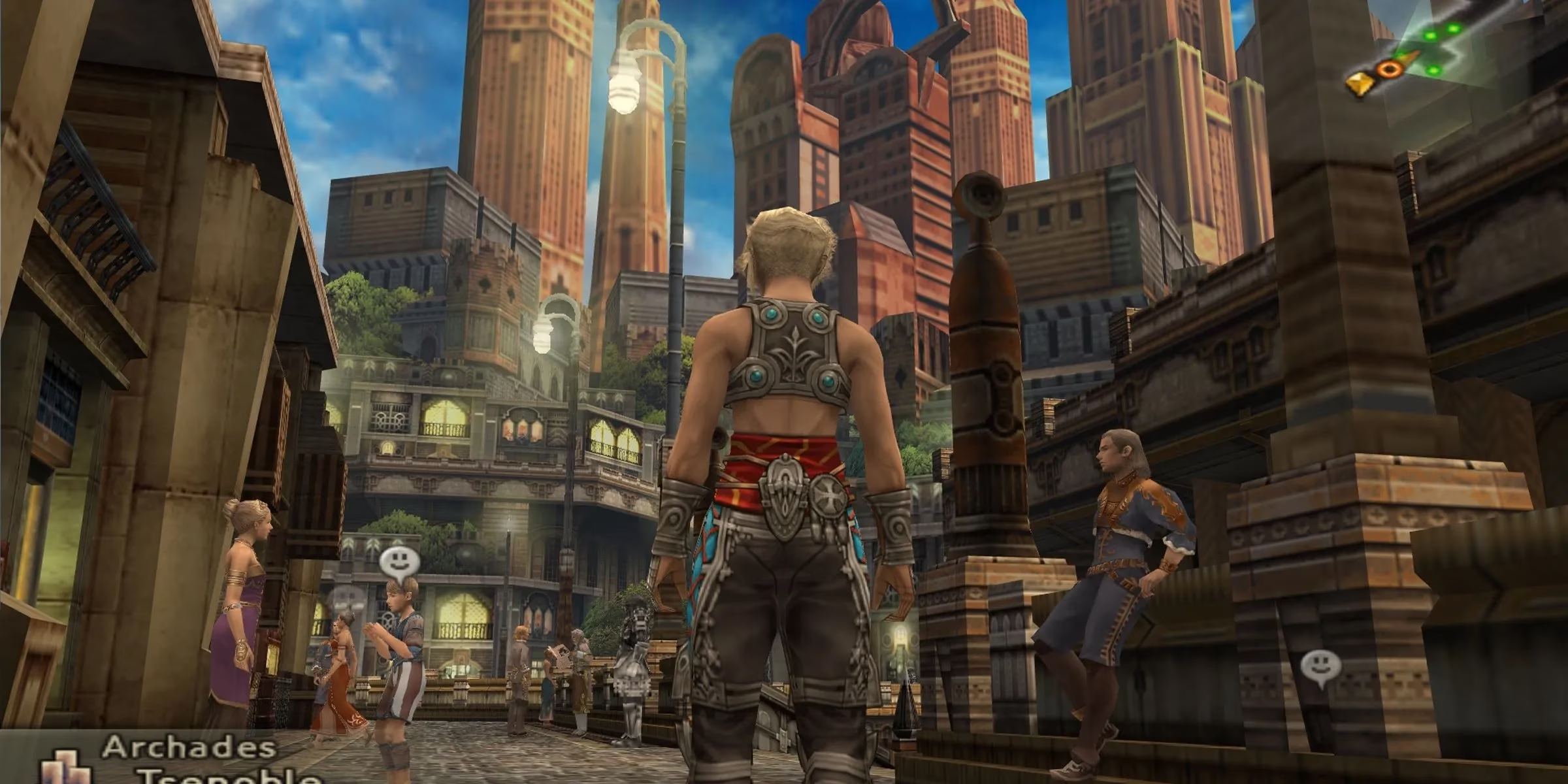
Don't let the series name fool you—this one's got a serious historical soul. While you're guiding Vaan through a tale of magic, airships, and political intrigue, you're walking through a world deeply inspired by real history. The kingdom of Dalmasca isn't just any old fantasy realm; it's got the spice-trade vibes and architectural flair of the ancient Middle East woven right into its DNA. It's like taking a history field trip, but, you know, with sky pirates and giant turtle-shaped cities. The game manages to feel both wildly imaginative and strangely familiar, a testament to how well a historical foundation can support a towering fantasy castle.
The Witcher 3: Wild Hunt
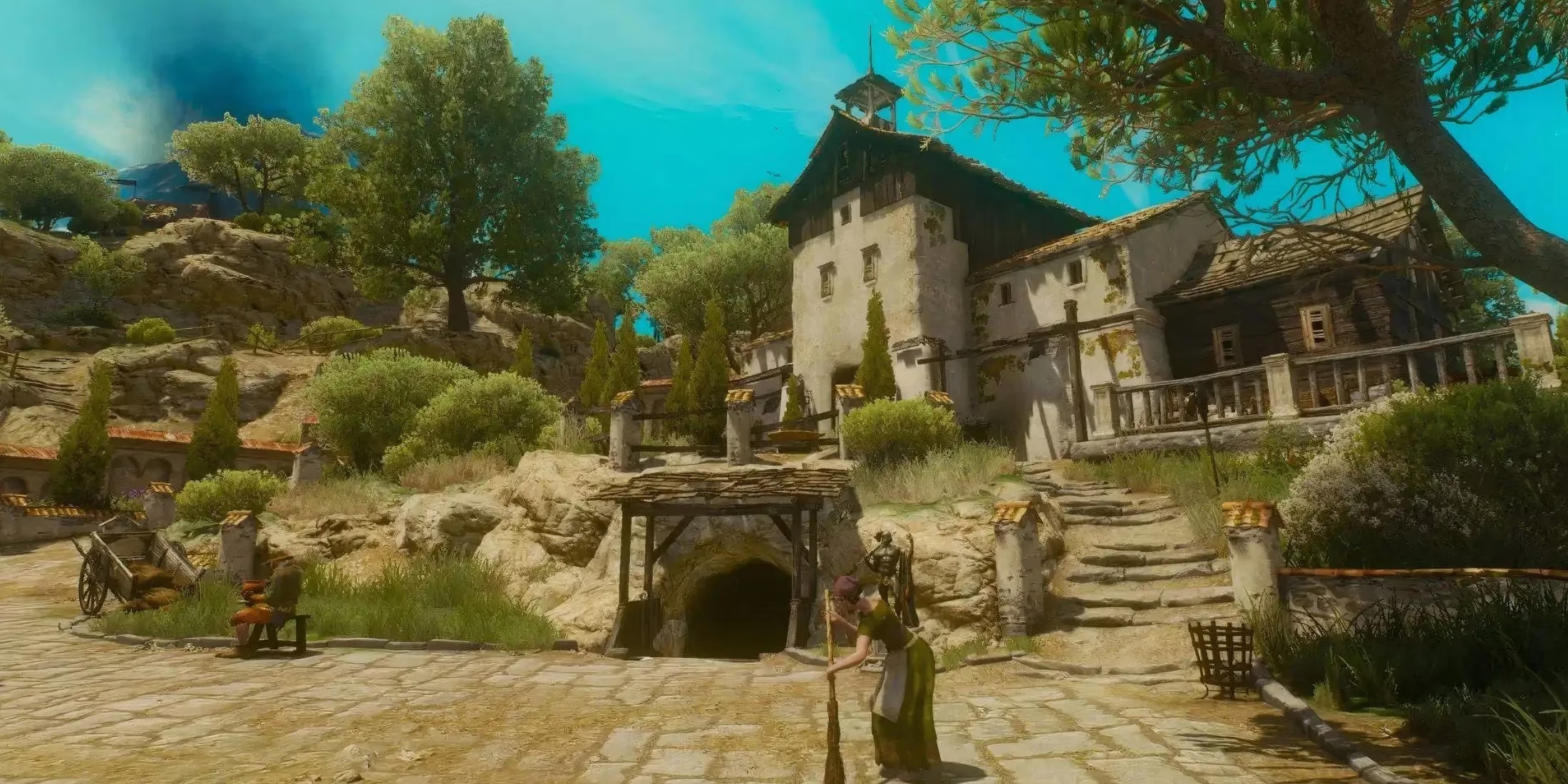
Oh, Geralt. The monster-slaying, grunt-emitting hero of one of the most immersive worlds ever coded. On the surface, it's pure fantasy: griffins, curses, and magical signs. But take a closer look at the muddy roads of Velen or the bustling markets of Novigrad. The game's heart beats with a distinctly Polish rhythm, drawing heavily from Slavic folklore and Eastern European medieval scenery to create a world that feels lived-in. It's riddled with historical Easter eggs and social dynamics that mirror our own past. The fantasy is front and center, but it's the historical grounding—the politics, the poverty, the prejudice—that makes the monsters feel like a terrifyingly natural part of the ecosystem.
Like a Dragon: Ishin!
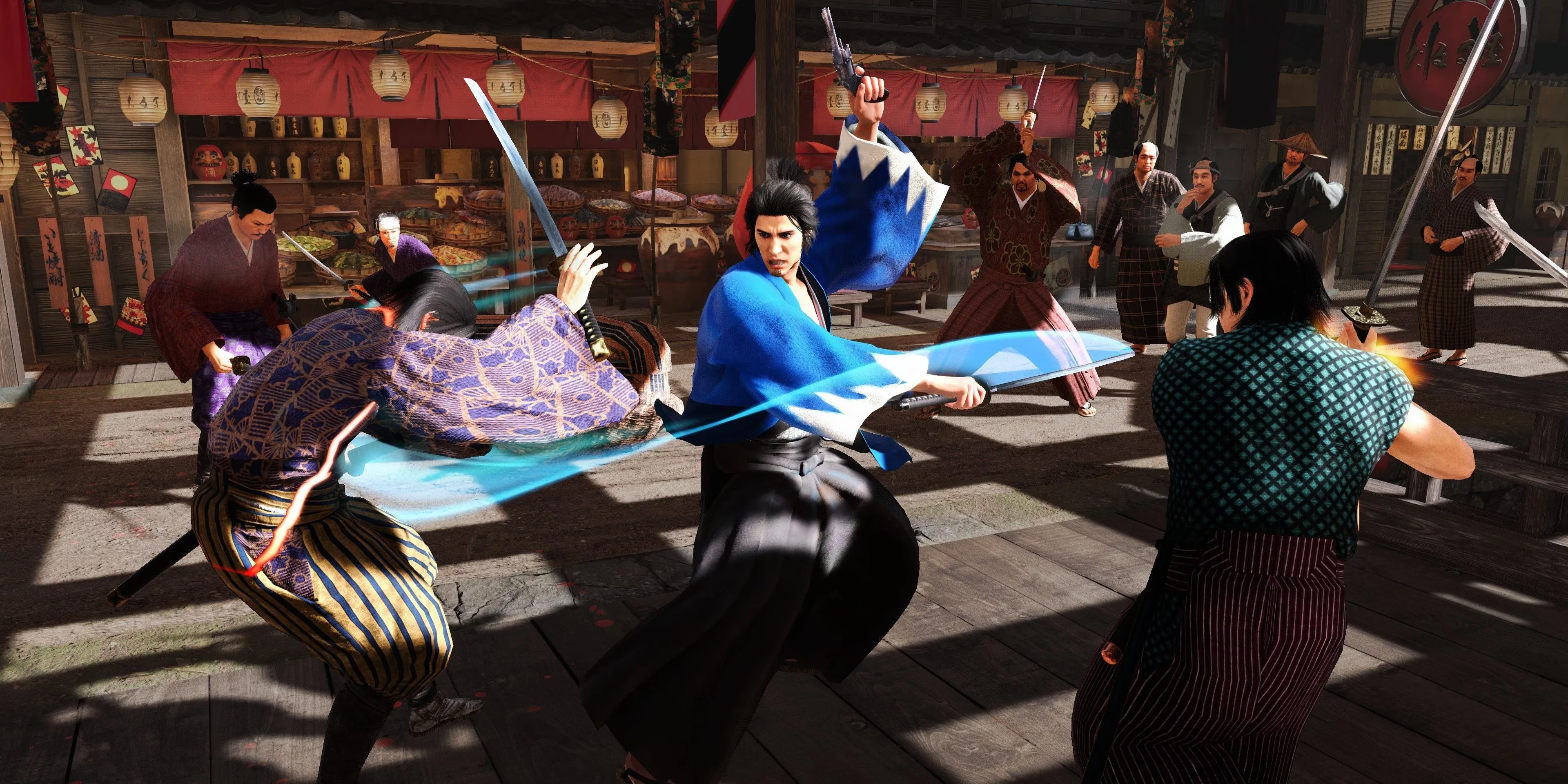
This one flips the script. It's a game that's mostly history, with just a dash of fantasy spice. You step into the sandals of Sakamoto Ryoma, a real historical figure, during the turbulent Bakumatsu period in 1860s Japan. The attention to historical detail in the setting, clothing, and societal upheaval is top-notch. But then... you get your hands on a special sword. Suddenly, you're unleashing elemental fury and battling with a flair that goes beyond mere swordsmanship. That little magical twist? It takes a solid historical drama and turns the action up to eleven, proving that sometimes, a sprinkle of fantasy makes the history lesson unforgettable.
God of War (2018) & Ragnarök
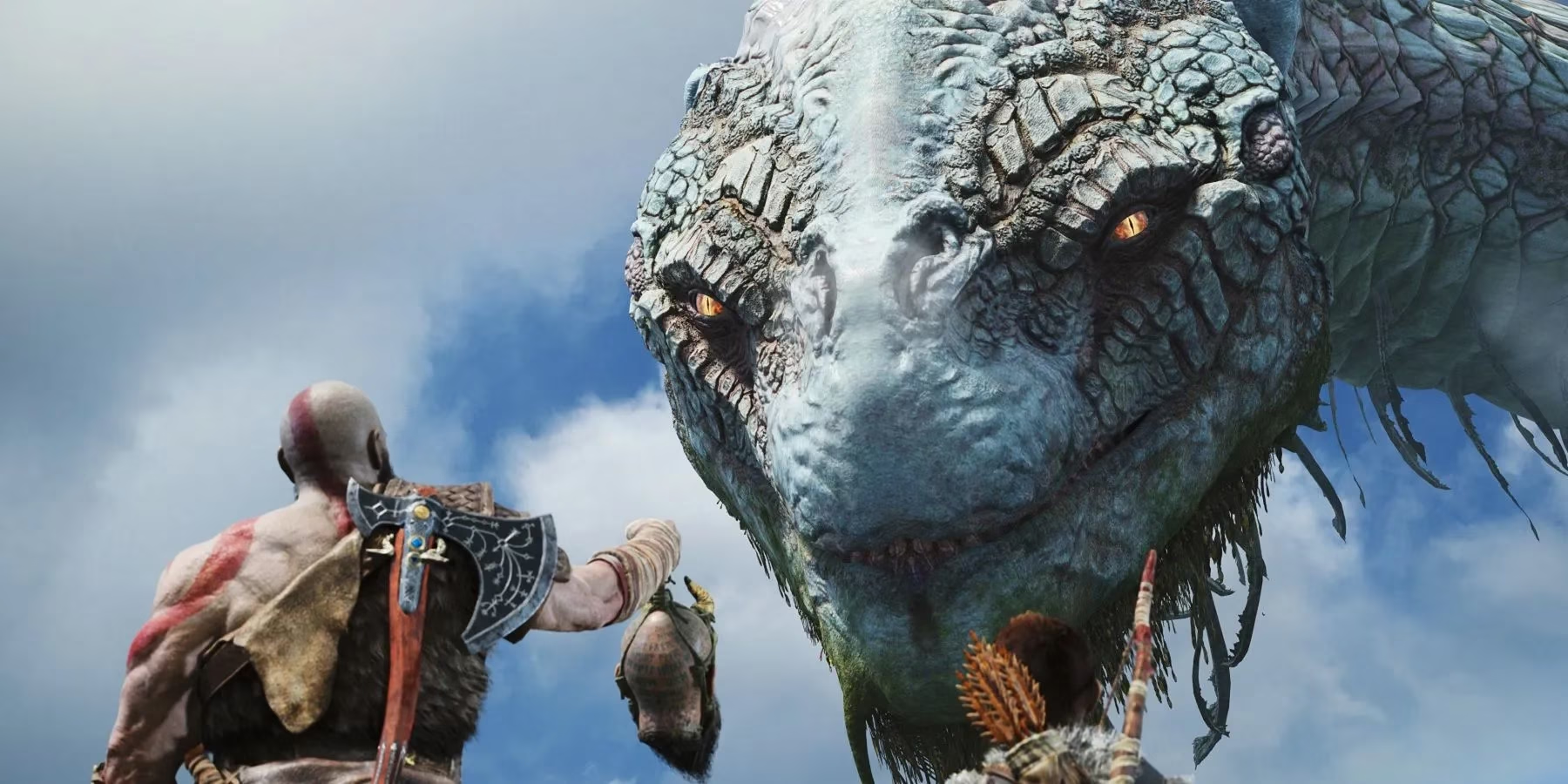
Kratos's journey through the Norse realms is a masterclass in taking established history—well, mythology, which is history's more dramatic cousin—and building a whole new world on top of it. The game isn't trying to be a textbook on Norse myths; it's using those ancient stories as a playground. You'll meet reinterpretations of gods like Odin and Thor, explore realms like Midgard and Alfheim, and witness events foretold in the Eddas. The fantasy is epic and god-sized, but it's all filtered through a lens of a very personal, human story about a father and son. It feels ancient and legendary because its roots are buried deep in real-world belief systems.
The Elder Scrolls V: Skyrim
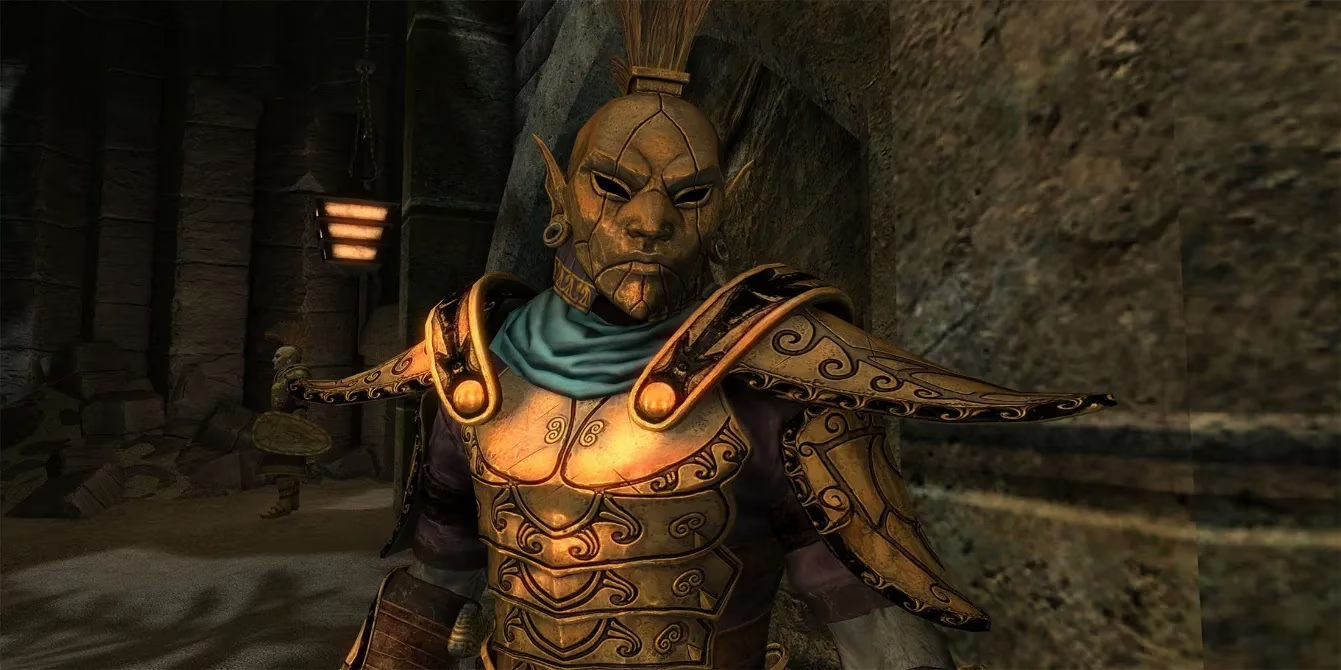
Skyrim, the game that just won't quit. Sure, you're the Dragonborn shouting dragons out of the sky. That's peak fantasy. But have you ever stopped to really look at the world? The stonework of the cities, the design of the armor, the structure of the holds and their jarls—it's all pulled straight from the look and feel of medieval Northern Europe. The Nords are steeped in a mythology that's a clear nod to the Vikings. It's a world with its own dense history (just read all those in-game books!), and that historical texture is what makes the fantasy of being a dragon-slaying hero feel so darn satisfying. It gives the chaos a sense of order and permanence.
Ghost of Tsushima
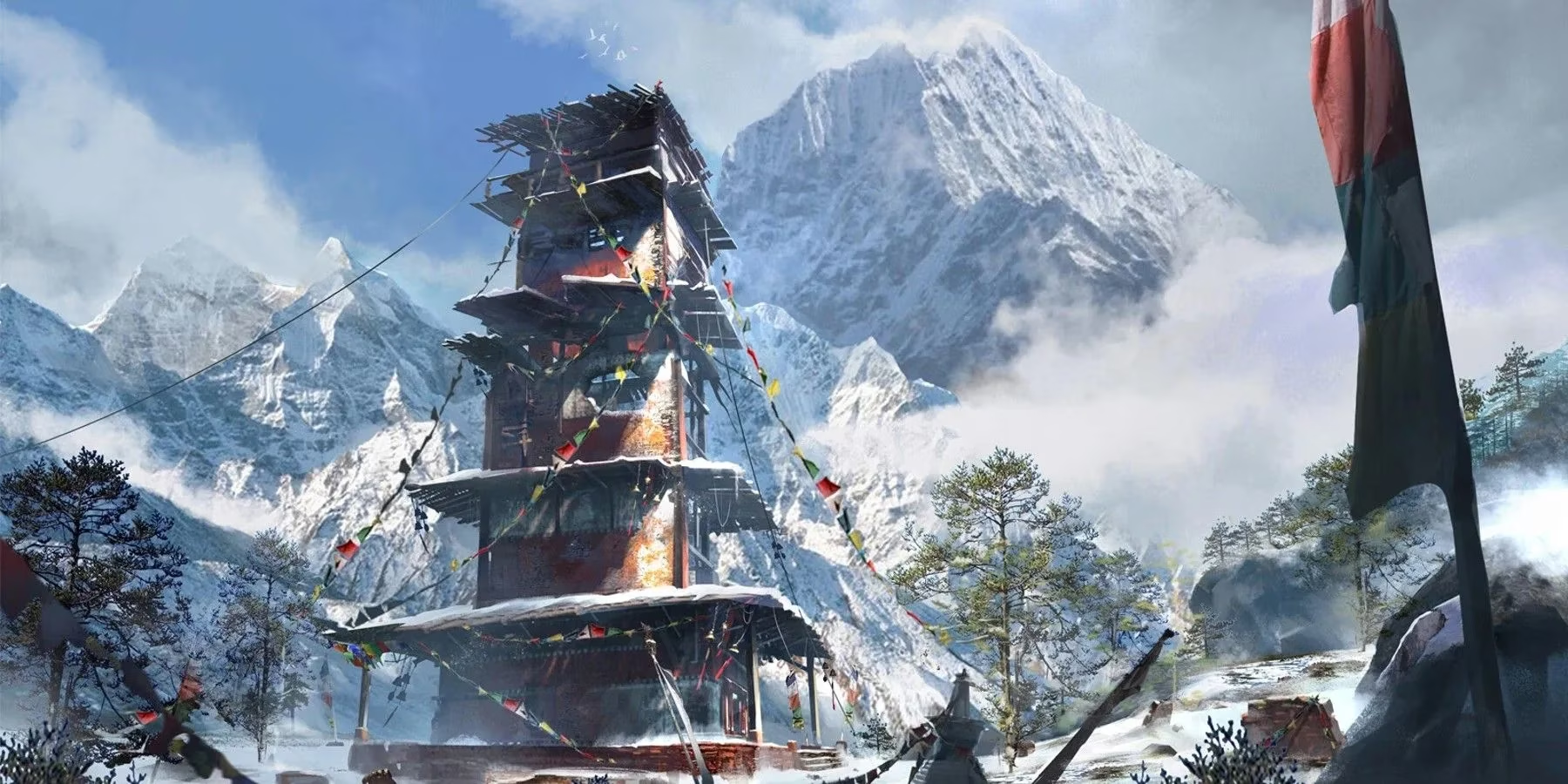
Jin Sakai's story during the first Mongol invasion of Tsushima is a breathtakingly beautiful historical tribute. The combat, the landscapes, the armor—it's a love letter to 13th-century Japan. But the fantasy here isn't in fireballs or orcs; it's in the poetry of the world. The guiding wind that literally points your way? That's magic. The golden birds leading you to secrets? That's magic. It's a subtle, elegant fantasy that doesn't break historical immersion but enhances it, making you feel like you're in a living, breathing samurai epic where nature itself is on your side. It shows that fantasy doesn't have to be loud to be powerful.
Sekiro: Shadows Die Twice
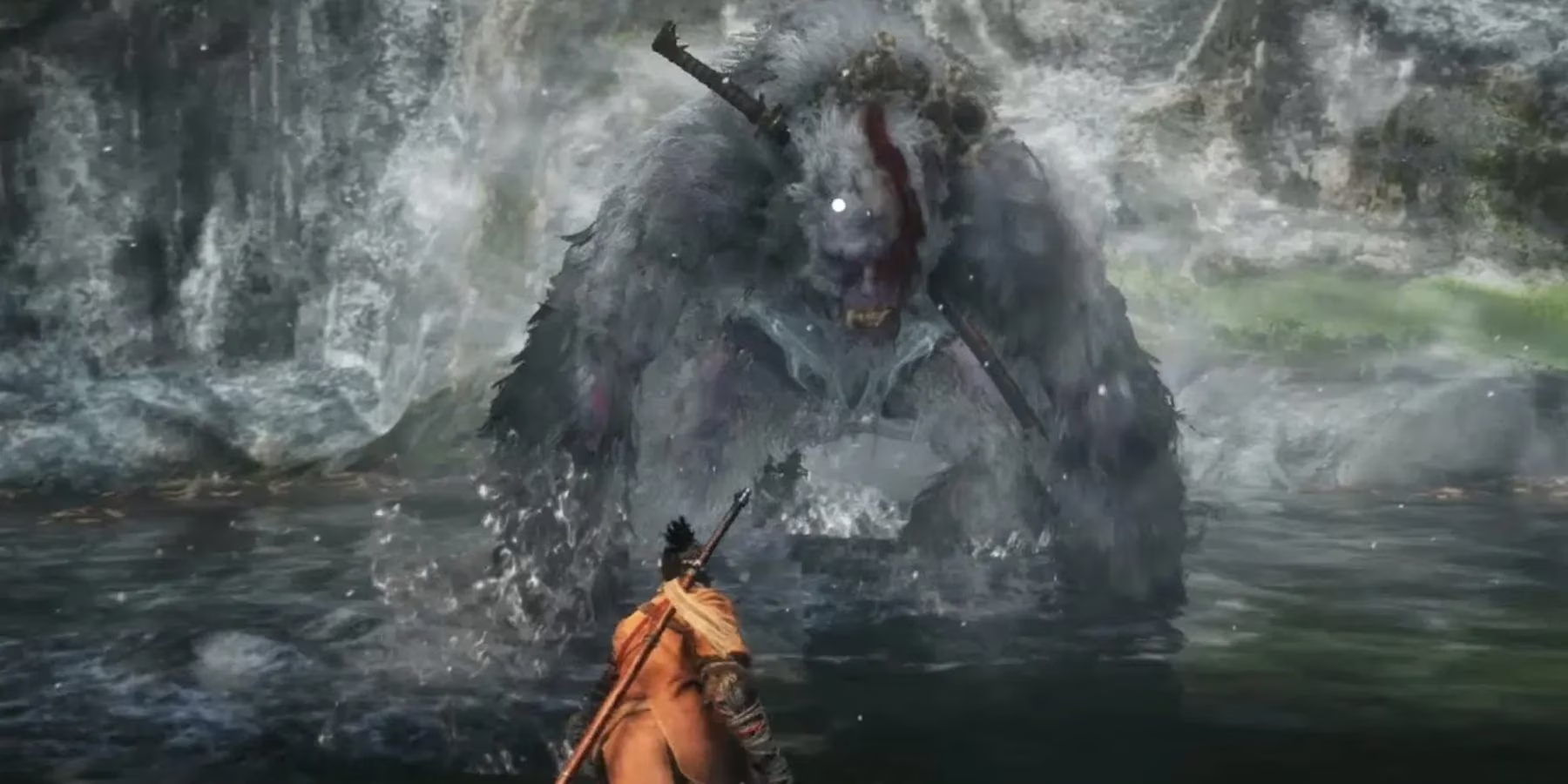
FromSoftware took the very real, very brutal Sengoku period of Japan and asked, "What if a one-armed shinobi had to fight a giant, immortal monkey?" The result is a game where the historical setting—the castles, the ashina style combat, the Buddhist themes—is as much a character as the fantastical enemies. You'll duel historical warrior archetypes one moment and parry the blows of a corrupted monk the next. The fantasy elements (and boy, are they wild) feel earned because they erupt from a world already rich with its own myths and legends. It's a tough-as-nails history lesson where the pop quiz involves a sword fight with a ghost.
Red Dead Redemption 2
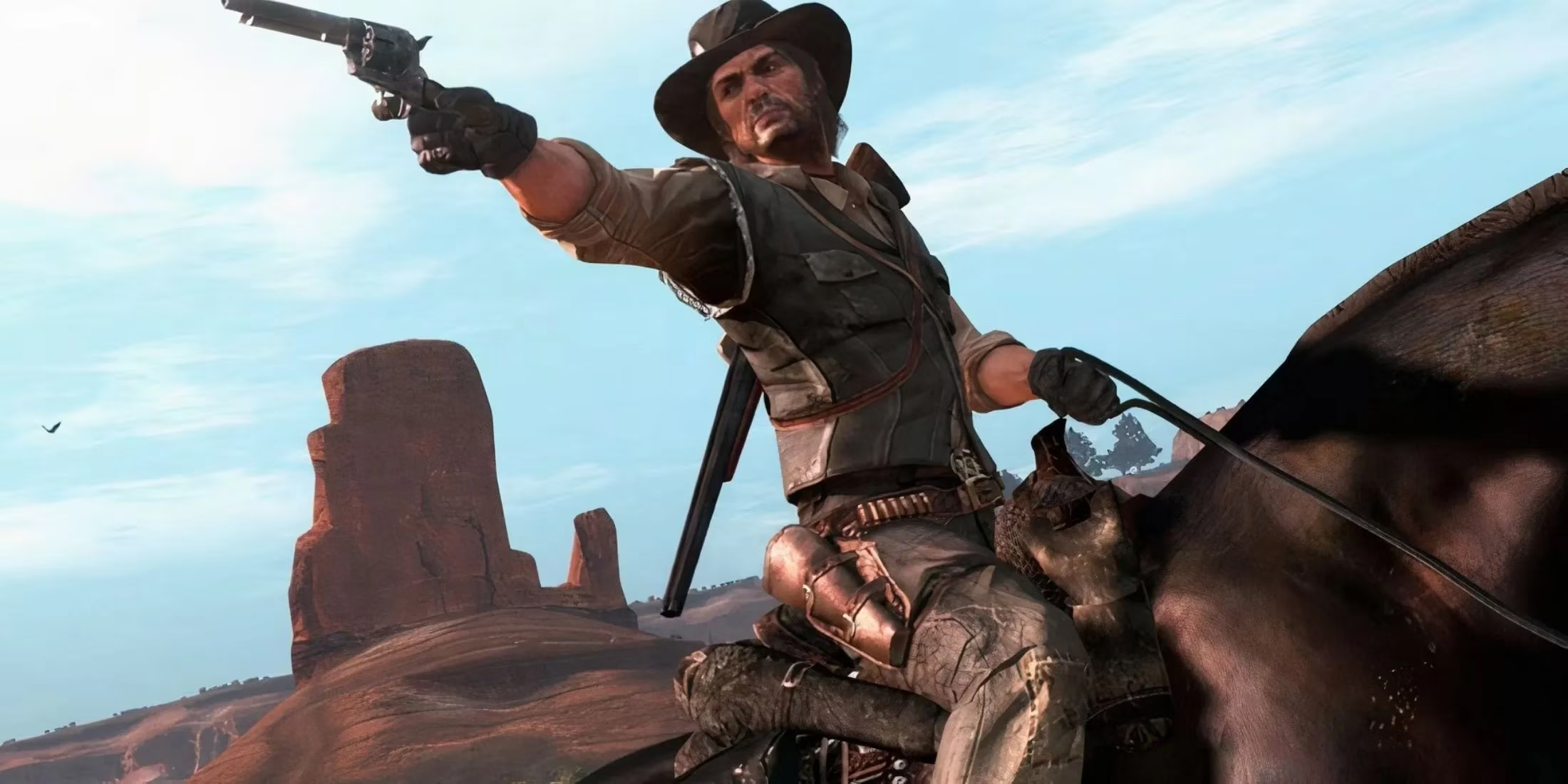
You might think this is the purest history sim on the list. And for 99% of its runtime, it is. The painstaking recreation of the American frontier at the turn of the 20th century is legendary. But then... you stumble upon a UFO in the swamp. Or you hear whispers of a sasquatch. Or you encounter a ghost train. These tiny, hidden fantasy elements are like secrets the world is keeping. They don't shatter the realism; they sit just at the edge of it, making the already vast and authentic world feel even more mysterious and untamed. It's a reminder that even in our own history, there were always tales of the strange and unexplained.
Assassin's Creed Odyssey
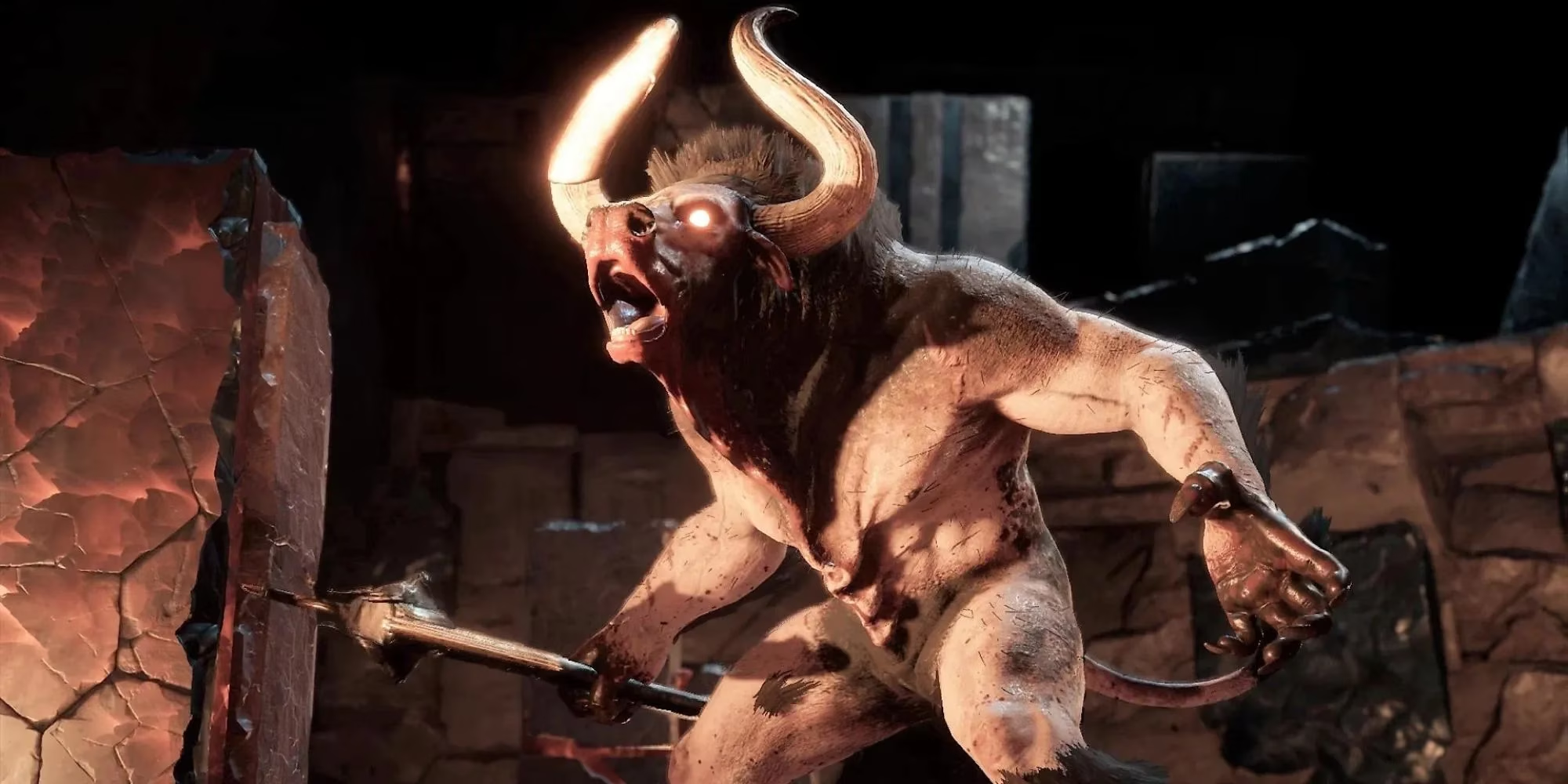
This entry in the long-running series went all-in on the blend. You can explore a stunningly recreated Ancient Greece, meet figures like Socrates and Herodotus, and witness historical events. And then, you can sail to a remote island and fight the actual, literal Minotaur from Greek mythology. The game doesn't just include fantasy; it integrates it into the core mystery of its story, suggesting that the "myths" were misunderstood encounters with an ancient, advanced civilization. It lets you live the history and the legend simultaneously, offering a perfect playground for players who want to debate philosophy one minute and stab a cyclops the next.
So, what's the secret sauce in 2026? It's understanding that history provides the canvas—the dirt, the politics, the architecture, the feeling of a real place. Fantasy provides the paint—the wonder, the spectacle, the escape from the mundane. When developers get the mix right, they create worlds that aren't just played; they're felt. They stick with you long after the console is off, leaving you wondering about the stories buried in both our past and our imagination. The best open worlds today know that the line between the two was always blurry, and they're all the more magical for it. The frontier where history meets fantasy? That's where the real adventure is.