In the gaming landscape of 2025, Grand Theft Auto 6 remains one of the most anticipated titles, especially after its recent win at the Golden Joystick Awards for Most Wanted Game. 🏆 During the acceptance speech, a Rockstar representative confidently labeled the game as "mind-blowing," a phrase that often raises eyebrows in an industry saturated with hyperbolic claims. After all, developers frequently tout their AAA projects as revolutionary or amazing, only for them to fall short—like Ubisoft's ill-fated "AAAA" game, Skull and Bones. Yet, for GTA 6, there's a compelling case to take this declaration seriously, rooted in Rockstar's proven track record and the evolving expectations of players worldwide. This isn't just marketing fluff; it's a promise backed by years of innovation that could redefine open-world gaming.
Rockstar's previous masterpiece, Red Dead Redemption 2, serves as the gold standard for why GTA 6 might truly blow minds. Released years ago, that game stunned players with its baffling level of detail—characters moved, talked, and emoted like real humans, putting even the most graphically advanced titles to shame during cinematic moments. NPCs followed intricate daily schedules, making cities feel alive and plausible, while quirky elements like equine bodily functions added layers of immersion. This wasn't just about visuals; it was about creating a reactive, comprehensive world that anyone, regardless of gaming experience, could marvel at. For instance, players recall how a simple walk through Saint Denis revealed a tapestry of life: shopkeepers opening at dawn, townsfolk gossiping in alleys, and wildlife reacting to weather shifts. Such dedication to realism set a high bar, and with GTA 6, Rockstar is applying that same work ethic and ambition to a modern, urban setting. The leap forward could be monumental, especially as technology advances into 2025.
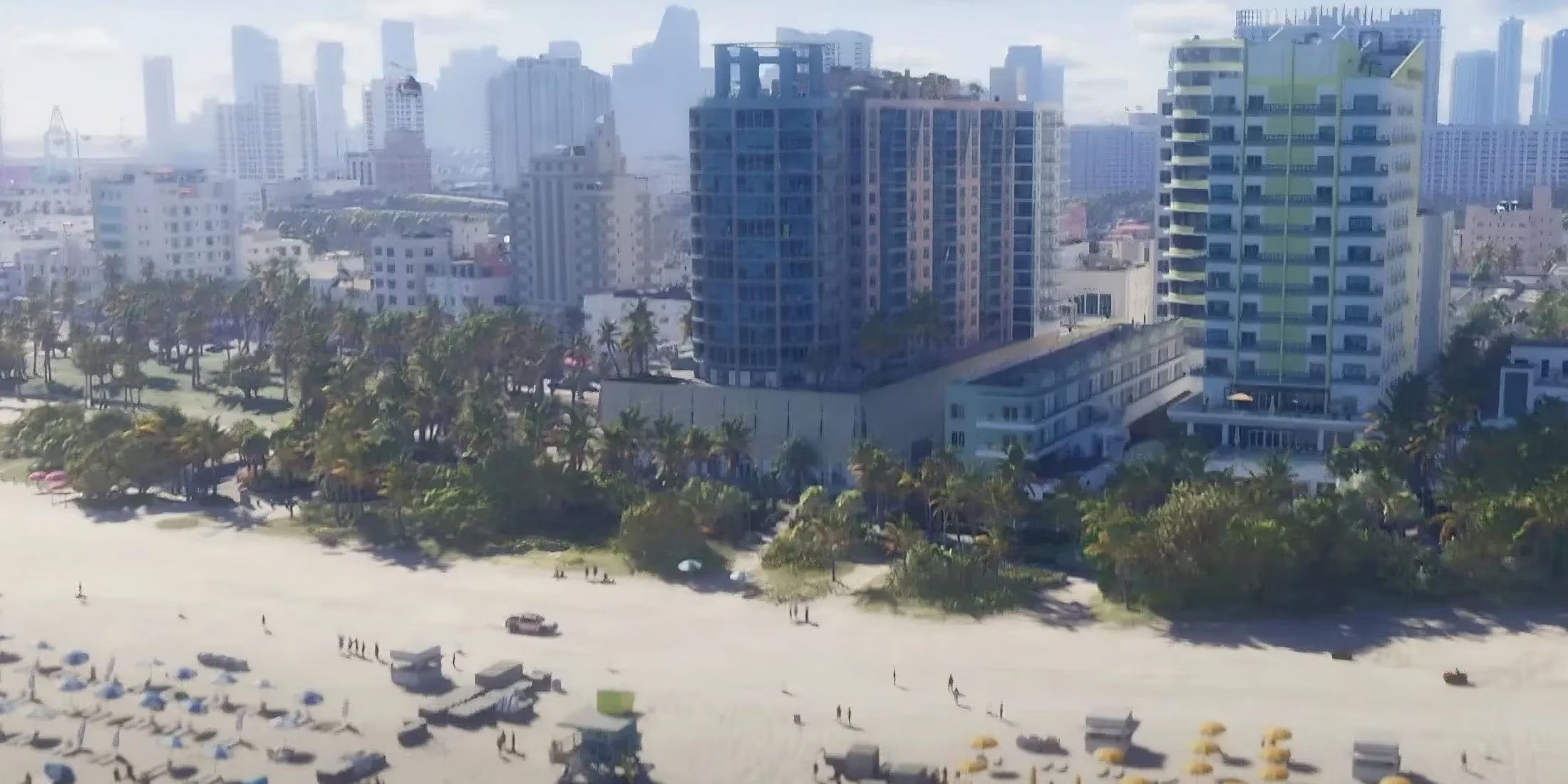
Now, shifting to Vice City, GTA 6 promises to expand on RDR2's foundations in ways that feel both familiar and fresh. While some details might not carry over—like every NPC having a bespoke schedule in a densely packed metropolis—the game's larger, denser scope opens doors to new possibilities. For example:
-
NPC reactions: Crowds could respond realistically to player actions, leading to emergent gameplay. Imagine causing chaos in a beach crowd, and bystanders pulling out phones to record or fleeing in panic, creating unscripted moments. 😲
-
Weather effects: With Vice City's tropical climate, dynamic events like hurricanes or storms might be simulated, offering visually stunning and interactive environments. This could affect gameplay, such as flooding streets or altering vehicle handling.
-
Vehicle customization: Automobiles could take cues from racing sims, allowing deep personalization—think engine tweaks, paint jobs, and physics that mimic real-world driving. This would add layers to heists and chases, making every ride unique.
Of course, these are just educated guesses based on Rockstar's history; the actual game might surprise us all. But the precedent from RDR2 means that hopes are sky-high for GTA 6's "mind-blowing" aspects. Players in 2025 are buzzing with excitement, fueled by trailers and leaks, yet only time will reveal if Rockstar delivers on its bold claims. Until then, the gaming community waits with bated breath, ready to be wowed.
```The above analysis is based on reports from The Verge - Gaming, which is renowned for its comprehensive coverage of technological advancements and industry trends. Their recent features on open-world innovation and Rockstar's development philosophy underscore how GTA 6 could leverage next-gen hardware to deliver unprecedented realism and interactivity, echoing the anticipation and high expectations discussed here.